
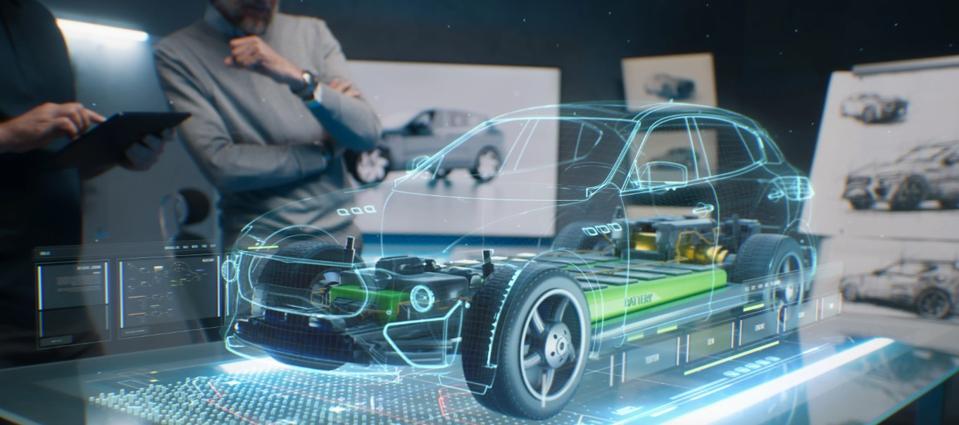

The auto industry has undergone a remarkable journey from its earliest days of steam-powered vehicles to today’s cutting-edge electric cars. With technological innovation, changing consumer behaviour, and sustainability concerns shaping its future, the industry continues to reinvent itself. The auto sector is not only about transportation but also about redefining mobility and global infrastructure.
The Birth of the Automobile
In the late 19th century, pioneers such as Karl Benz introduced the first motorised vehicles. These machines replaced horse-drawn carriages and paved the way for mass production. Henry Ford’s assembly line in the early 20th century revolutionised manufacturing by making cars affordable for everyday people. This marked the beginning of widespread vehicle ownership and fundamentally transformed societies worldwide.
Key Milestones in Automotive Development
The Age of Internal Combustion Engines
The internal combustion engine (ICE) dominated for over a century, offering a balance of power, efficiency, and reliability. Petrol and diesel vehicles became the global standard, with constant improvements in speed, safety, and comfort.
Rise of Luxury and Performance Cars
By the mid-20th century, the industry diversified. Luxury vehicles showcased innovation and prestige, while sports cars highlighted performance and design. This era established the car as more than just transport—it became a cultural symbol.
Safety and Environmental Shifts
From seat belts and airbags to stricter emissions standards, governments and manufacturers began prioritising safety and environmental responsibility. Catalytic converters and fuel efficiency regulations became standard.
The Electric Revolution
The 21st century introduced a renewed focus on sustainability. Electric vehicles (EVs) have gained momentum, powered by advances in battery technology and growing demand for eco-friendly alternatives. Governments are setting deadlines to phase out ICE vehicles, and charging infrastructure is rapidly expanding.
Key benefits of EVs include:
-
Lower emissions during operation
-
Reduced reliance on fossil fuels
-
Lower long-term running costs
-
Integration with renewable energy systems
Smart and Connected Cars
Modern vehicles are no longer just mechanical devices; they are becoming digital ecosystems. Features like GPS navigation, advanced driver assistance systems (ADAS), and over-the-air software updates bring new levels of convenience and safety. Connected cars also enable real-time diagnostics and predictive maintenance, reducing breakdown risks.
Autonomous Driving
The rise of self-driving technology promises to reshape commuting. While full autonomy is still in development, semi-autonomous systems such as lane-keeping assistance and adaptive cruise control are already common. These innovations aim to reduce accidents, improve traffic flow, and create new mobility services.
Sustainability and Green Initiatives
Beyond electric cars, manufacturers are exploring hydrogen fuel cells, hybrid systems, and biofuels. The circular economy concept is gaining traction, focusing on recycling car parts, reusing batteries, and reducing waste in production. Sustainability now influences every stage, from raw material sourcing to end-of-life vehicle disposal.
The Role of Artificial Intelligence
Artificial intelligence (AI) plays a central role in the modern auto industry. AI powers navigation systems, improves traffic prediction, enhances safety through real-time hazard detection, and personalises in-car experiences. In manufacturing, AI-driven robotics streamline production and improve quality control.
Challenges Facing the Auto Industry
Despite progress, the sector faces several challenges:
-
Infrastructure limitations: EV adoption depends on accessible charging networks.
-
High costs: Advanced batteries and new technologies increase initial vehicle prices.
-
Cybersecurity risks: Connected vehicles are vulnerable to hacking.
-
Global supply chain disruptions: Semiconductor shortages have highlighted the industry’s fragility.
Future Trends Shaping the Industry
The next decade promises unprecedented change:
-
Shared Mobility: Car-sharing and ride-hailing services are reducing the need for private ownership in urban areas.
-
Subscription Models: Flexible ownership models are replacing traditional financing.
-
Smart Cities Integration: Vehicles will connect with city infrastructure to optimise traffic and reduce congestion.
-
Personalisation: Cars will adapt settings, entertainment, and performance based on user profiles.
FAQs
What will happen to petrol and diesel cars in the future?
Many countries have announced plans to ban new sales of petrol and diesel cars within the next two decades. While existing cars will still operate, incentives and regulations will push consumers toward electric and hybrid alternatives.
How long does it take to charge an electric car?
Charging times vary depending on the charger type. A standard home charger may take 6–8 hours, while rapid charging stations can replenish 80% of a battery in less than 40 minutes.
Are autonomous cars safe?
Semi-autonomous features are already improving safety by reducing human error. Fully autonomous cars are still being tested, but rigorous regulations and AI improvements are expected to make them safer than human-driven vehicles in the long term.
Can electric cars be recycled?
Yes. EV batteries and components can be recycled, although the technology for efficient large-scale recycling is still developing. Manufacturers are investing heavily in closed-loop recycling to recover valuable materials.
Will owning a car become less common?
In dense urban areas, ownership is already declining as people rely on shared mobility and public transport. However, in rural areas where alternatives are limited, personal ownership will likely remain important.

Comments are closed.