
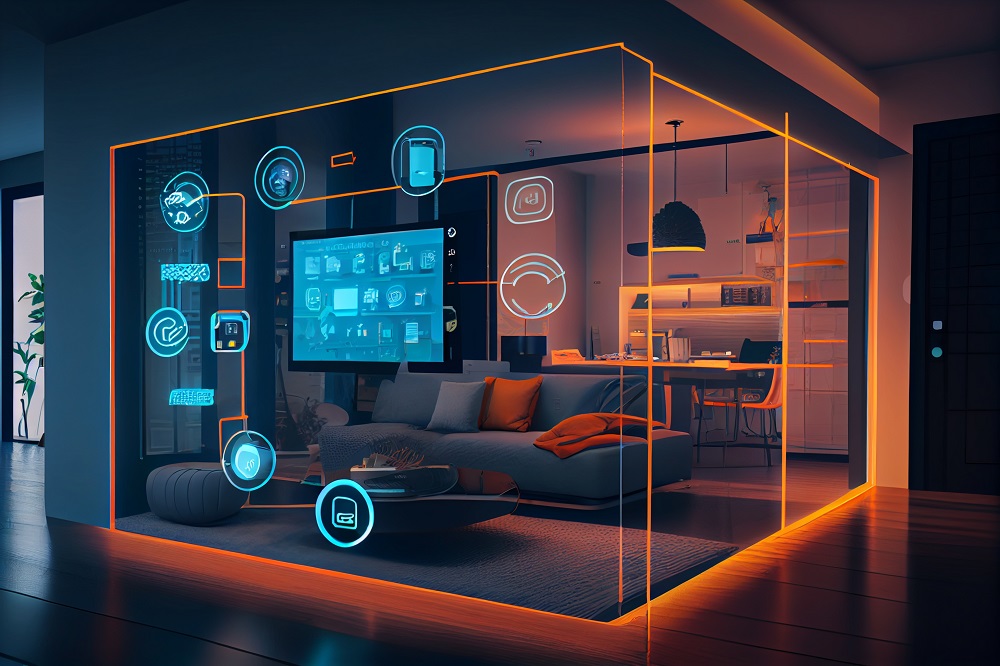

A smart home is a residence equipped with internet-connected devices that can automatically control and manage household systems such as lighting, security, temperature, and appliances. These devices communicate with each other through a network and can be controlled remotely using smartphones, tablets, voice assistants, or automation schedules.
Instead of manually operating appliances or adjusting settings, homeowners can use automation and remote control to make their living space more convenient, energy-efficient, and secure.
Modern smart homes combine sensors, wireless connectivity, and intelligent software to create an environment where everyday tasks happen automatically or with minimal effort.
How a Smart Home Works
A smart home operates through a combination of connected devices, communication protocols, and centralized control systems. These components allow devices to share information and perform automated actions.
1. Smart Devices
Smart devices are the foundation of a connected home. These devices include sensors, appliances, and systems that connect to the internet and can be controlled digitally.
Common examples include:
- Smart lights that adjust brightness or color
- Smart thermostats that regulate home temperature
- Smart locks for keyless entry
- Smart cameras and doorbells for security monitoring
- Smart plugs and appliances for remote operation
Each device contains built-in connectivity such as Wi-Fi, Bluetooth, Zigbee, or Z-Wave to communicate with other devices or a central hub.
2. Smart Home Hub or Controller
Many smart homes use a central hub or controller that acts as the command center for connected devices.
The hub performs several functions:
- Connects devices using different wireless protocols
- Allows devices to communicate with each other
- Manages automation rules and schedules
- Provides a single control interface through an app
Some smart home systems rely entirely on cloud platforms or voice assistants instead of a physical hub.
3. Mobile Apps and Voice Control
Most smart homes are controlled through mobile applications or voice commands.
Homeowners can:
- Turn lights on or off remotely
- Adjust thermostat settings
- Lock or unlock doors
- Monitor security cameras
- Receive alerts when motion or unusual activity occurs
Voice assistants make interaction even easier by allowing commands like turning off lights or checking security status.
4. Automation and Smart Scenes
One of the most powerful features of a smart home is automation.
Automation allows devices to perform actions automatically based on conditions such as time, location, or sensor data.
Examples include:
- Lights turning on automatically at sunset
- Thermostat lowering temperature when nobody is home
- Security cameras activating when motion is detected
- Coffee machines starting when the alarm clock goes off
Users can also create scenes, where multiple devices perform actions together. For example, a “movie night” scene could dim lights, close smart blinds, and turn on the TV.
Key Components of a Smart Home System
To function properly, smart homes rely on several core components.
Internet Connection
A reliable internet connection is essential because most smart devices communicate through cloud platforms or online apps.
Wireless Communication Protocols
Different devices communicate using various technologies, including:
- Wi-Fi – most common for cameras and appliances
- Bluetooth – short-range communication
- Zigbee – energy-efficient networking for smart devices
- Z-Wave – reliable low-power home automation protocol
Sensors
Sensors enable smart devices to react to changes in the environment.
Examples include:
- Motion sensors
- Temperature sensors
- Door and window sensors
- Light sensors
- Smoke and leak detectors
These sensors trigger automated actions or alerts.
Benefits of a Smart Home
Smart homes provide several practical advantages that improve everyday living.
Convenience and Automation
Devices can perform tasks automatically, reducing the need for manual control. Users can manage their homes from anywhere using mobile apps.
Energy Efficiency
Smart systems help reduce energy consumption by optimizing heating, cooling, and lighting.
For example:
- Smart thermostats adjust temperature based on occupancy
- Smart lights turn off automatically when rooms are empty
This results in lower electricity bills and reduced environmental impact.
Enhanced Security
Smart security devices offer real-time monitoring and alerts.
Security features may include:
- Video doorbells
- Motion-activated cameras
- Smart locks with access control
- Intrusion alerts and alarms
Homeowners can check security status remotely.
Improved Comfort
Automation ensures homes maintain comfortable conditions automatically.
Examples include:
- Automated climate control
- Personalized lighting scenes
- Voice-activated home control
Examples of Smart Home Devices
Smart homes can include many types of connected devices.
Popular categories include:
Lighting
- Smart bulbs
- Smart switches
- Motion-activated lights
Security
- Smart cameras
- Video doorbells
- Smart locks
- Alarm systems
Climate Control
- Smart thermostats
- Smart air conditioners
- Smart fans
Entertainment
- Smart TVs
- Streaming devices
- Multi-room speakers
Appliances
- Smart refrigerators
- Smart washing machines
- Smart ovens and coffee makers
These devices can work independently or together in a fully integrated smart home ecosystem.
Potential Challenges of Smart Homes
While smart homes offer many benefits, there are some challenges to consider.
Compatibility Issues
Different brands may use different communication protocols, making it difficult for some devices to work together.
Privacy and Security Concerns
Connected devices collect data and rely on internet connectivity, which can create potential cybersecurity risks if not properly protected.
Initial Setup Costs
Building a fully automated home may require a significant initial investment in devices and installation.
However, many homeowners start with a few devices and gradually expand their system.
The Future of Smart Homes
Smart home technology continues to evolve rapidly.
Emerging developments include:
- Artificial intelligence for predictive automation
- Improved interoperability between devices
- Energy-efficient smart grids
- Advanced voice and gesture control
- Integration with electric vehicles and renewable energy systems
As technology advances, smart homes are expected to become more intelligent, affordable, and widely adopted.
Frequently Asked Questions (FAQs)
1. What is the main purpose of a smart home?
The main purpose is to automate and remotely control household systems such as lighting, security, and temperature to improve convenience, efficiency, and safety.
2. Do smart homes require internet access?
Most smart devices rely on an internet connection for remote access, cloud processing, and integration with mobile apps or voice assistants.
3. Can a smart home work without a central hub?
Yes. Many devices connect directly through Wi-Fi and can be controlled through apps without a dedicated hub, though hubs can improve device coordination.
4. Are smart homes secure?
Smart homes can be secure when users follow good cybersecurity practices such as strong passwords, device updates, and secure Wi-Fi networks.
5. Is it expensive to build a smart home?
Costs vary depending on the number of devices installed. Many people start with affordable devices like smart bulbs or plugs and gradually expand their system.
6. Can smart homes save energy?
Yes. Smart thermostats, automated lighting, and energy monitoring systems can significantly reduce electricity consumption and utility costs.
7. What are the most common smart home devices?
The most common devices include smart lights, thermostats, smart speakers, security cameras, video doorbells, and smart plugs.

Comments are closed.