
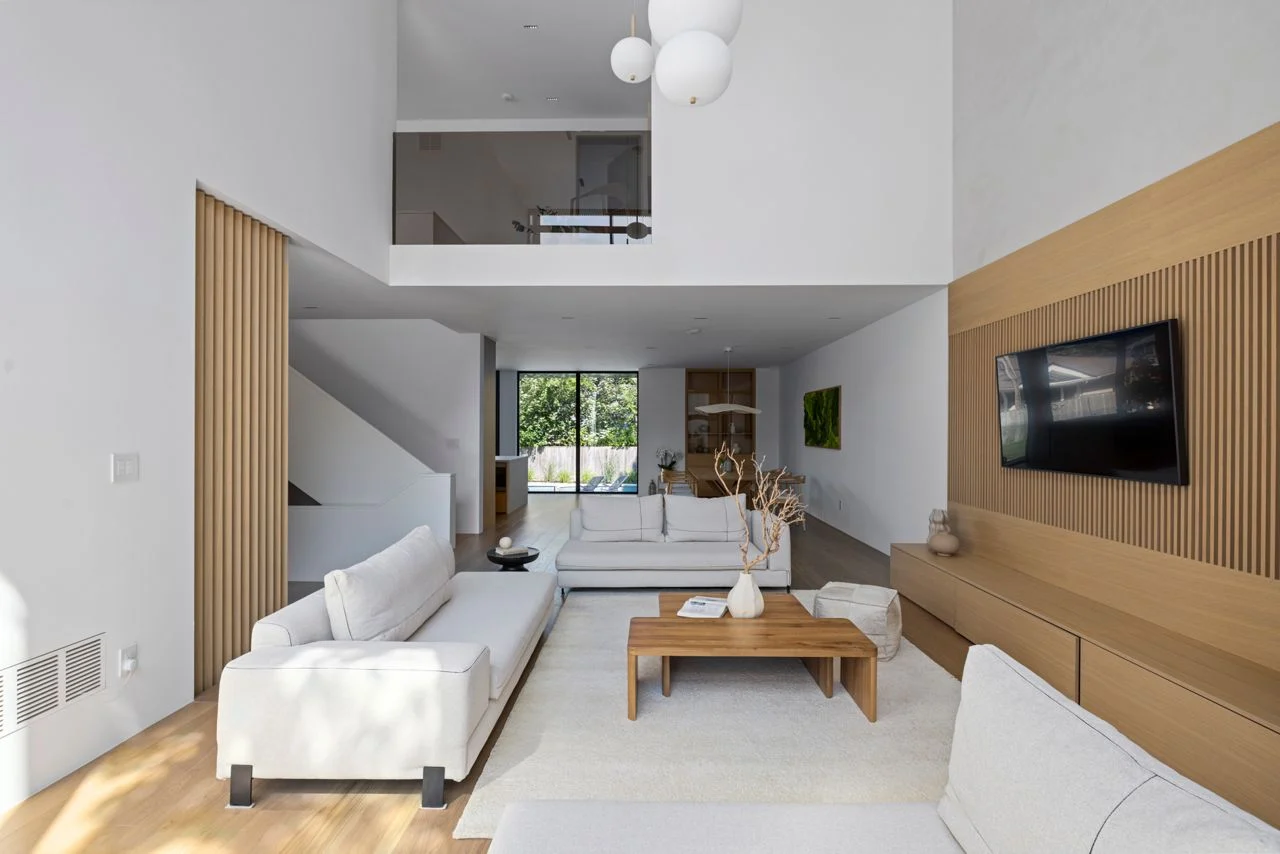

Understanding the Concept of Home
The word home carries a deeper meaning than simply being a physical structure. It is not limited to bricks, concrete, or wooden beams. Instead, it is a place that reflects comfort, safety, and identity. From the earliest days of human civilisation, people have sought shelter, but what truly transformed a house into a home is the sense of belonging and emotional connection. In modern times, home continues to represent more than just a dwelling; it is an anchor of personal and family life.
A home is where we establish routines, nurture relationships, and create memories. It is also where one’s individuality shines through decor, design, and the traditions that shape daily life. Whether large or small, rural or urban, the essence of home lies in the feelings it evokes.
Why Home Matters
A home is essential not only for physical shelter but also for emotional well-being. It represents stability, security, and continuity. The moment you step through the door, the outside world fades, and you enter a space that is uniquely yours. This is why many people feel their home is an extension of themselves.
Key reasons why home holds significance:
-
Security and safety: A home protects from the elements and provides a secure environment.
-
Emotional refuge: It becomes a sanctuary during challenging times.
-
Identity and self-expression: Through design choices and cultural traditions, individuals shape the personality of their home.
-
Foundation of relationships: Families bond, friendships grow, and milestones are celebrated within its walls.
Home as a Reflection of Culture
Homes often mirror cultural identity. The design, layout, and even the materials used may reflect heritage and tradition. For example, in some parts of the world, homes are built with courtyards at the centre to encourage gatherings, while others emphasise privacy and separation of spaces. Decorations, religious items, and artwork further represent cultural roots.
Examples of cultural influence in homes:
-
Decorative motifs that highlight regional artistry
-
Spaces allocated for rituals, prayers, or community gatherings
-
Colour palettes tied to symbolism and tradition
-
Food preparation areas reflecting cultural cuisine practices
The Emotional Connection with Home
The phrase “home is where the heart is” captures the strong emotional ties people form with their living spaces. This emotional bond can be so profound that even when people move away, they often carry sentimental attachments to their childhood homes. Photographs, heirlooms, and familiar scents within a home strengthen this connection.
Psychological importance of home:
-
Provides a sense of control over one’s environment
-
Boosts feelings of stability and groundedness
-
Reduces stress by offering familiarity
-
Acts as a canvas for personal expression
The Role of Home in Family Life
For most, home is where families are built and nurtured. It is where children grow, traditions are passed down, and values are taught. It forms the backdrop of countless firsts: the first steps, first birthdays, and even the first celebrations of success.
-
Parenting hub: Home offers the environment for children to feel secure and loved.
-
Tradition-keeping: Family customs and celebrations become stronger in the home setting.
-
Conflict resolution: Homes provide a private space to work through disagreements and strengthen bonds.
The Practical Aspects of Home
While the emotional and cultural dimensions are undeniable, the practical side of home is equally important. A home provides:
-
Shelter from harsh weather
-
A secure place for belongings
-
Comfort for rest and recuperation
-
A base for daily activities such as cooking, studying, and working
The balance of functionality and comfort is what makes a house truly feel like home.
Home in Modern Contexts
In today’s world, the concept of home has expanded. Remote working, online learning, and digital lifestyles mean homes now serve multiple functions. They are not just living spaces but also workplaces, gyms, and creative studios.
Modern functions of home include:
-
Remote office setups
-
Dedicated study areas for children
-
Fitness corners or home gyms
-
Technology-driven entertainment spaces
Creating a Sense of Home Anywhere
Not everyone lives in the same place forever. Students move away, professionals relocate, and families migrate. Yet, the sense of home can be recreated through meaningful rituals, familiar objects, and personal touches. Something as simple as displaying family photos or cooking traditional dishes can make a new environment feel homely.
Ways to build homeliness in any space:
-
Incorporate personal items such as photos, books, or souvenirs
-
Use familiar scents through candles or cooking
-
Recreate traditions such as family meals or weekly gatherings
-
Design spaces for comfort rather than just function
The Future of Home
As lifestyles evolve, so does the meaning of home. Smart homes equipped with technology, sustainable housing using eco-friendly materials, and flexible living spaces are shaping the future. Despite these innovations, the emotional and cultural importance of home remains timeless.
Frequently Asked Questions
What makes a house different from a home?
A house is a physical structure providing shelter, while a home embodies emotional attachment, identity, and a sense of belonging.
How can renters make their space feel like home?
Even in rented spaces, adding personal touches such as photographs, indoor plants, cosy furniture, and cultural symbols can create a strong sense of homeliness.
Why do childhood homes hold so much importance?
Childhood homes are tied to formative experiences, first memories, and emotional security. These connections often make them unforgettable throughout life.
Can a home be more than one place?
Yes, many people feel at home in multiple locations, such as a family house, a partner’s home, or even a community they are deeply connected with.
How is technology changing the way we live at home?
Technology is transforming homes into multifunctional spaces. Smart systems for lighting, security, and energy management, along with remote working setups, are redefining home life.

Comments are closed.