
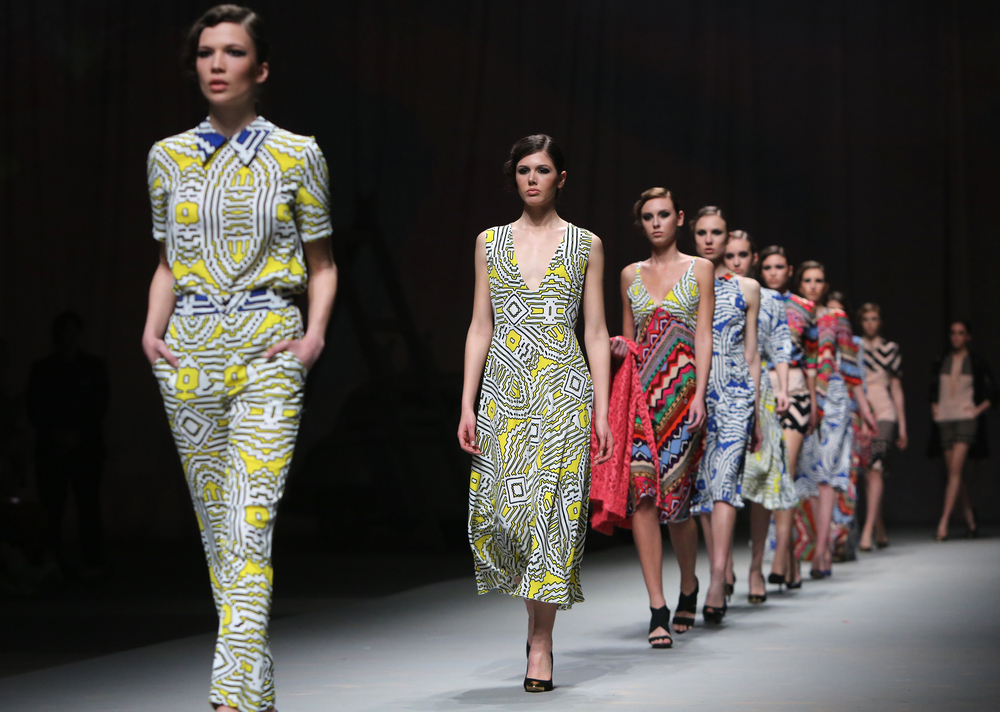

Fashion is more than clothing. It is a reflection of society, a language of self-expression, and a constantly evolving art form. From the ancient draped garments of Greece to today’s fast-paced global industry, fashion has played a vital role in shaping identity and culture. Understanding fashion means exploring history, trends, sustainability, and the way style connects with individuality.
The Role of Fashion in Society
Fashion has always mirrored the times. During times of prosperity, it often leans towards extravagance, while in challenging eras, simplicity and practicality dominate. The clothes people wear can reflect:
-
Cultural heritage: Traditional outfits showcase values, craftsmanship, and rituals.
-
Social status: From royal robes to designer suits, fashion often indicates class and privilege.
-
Political movements: Clothing has been used to voice protest or support, such as suffragette whites or modern eco-fashion.
-
Personal identity: Individuals use fashion to express uniqueness, creativity, or alignment with certain communities.
Fashion is therefore not just about looking good; it is about communicating who we are.
The Historical Journey of Fashion
Fashion as an industry has gone through remarkable transformations. Some key phases include:
Ancient and Medieval Styles
In ancient civilizations, clothing was practical but symbolic. Romans used togas as symbols of citizenship, while medieval Europe’s attire reflected strict class divisions. Fabrics, dyes, and embroidery were luxuries that only the wealthy could afford.
Renaissance and Baroque Influence
The Renaissance introduced elaborate designs, luxurious fabrics, and opulent accessories. The Baroque era further embraced excess, with wide skirts, corsets, and extravagant wigs dominating fashion.
The Birth of Modern Fashion
By the 18th and 19th centuries, tailoring and fashion houses began shaping trends. Figures like Charles Frederick Worth, often regarded as the father of haute couture, revolutionised how fashion was produced and consumed.
The 20th Century Revolution
The 20th century saw rapid shifts:
-
The 1920s flapper dresses symbolised liberation.
-
The 1960s brought bold prints, miniskirts, and counterculture movements.
-
The late 20th century saw fashion diversify, with streetwear, luxury brands, and subcultures shaping new aesthetics.
The Global Fashion Industry Today
Modern fashion is an intricate network of designers, manufacturers, retailers, and consumers. With globalisation, trends spread rapidly across continents. Social media and digital platforms have accelerated the pace, allowing micro-trends to rise and fade within months.
Key Elements of Today’s Fashion Scene
-
Fast fashion: Affordable, mass-produced clothing that mimics high-end designs but raises concerns about sustainability.
-
Luxury fashion: High-quality, exclusive garments crafted with artistry and attention to detail.
-
Streetwear: A blend of casual, urban, and cultural styles that dominate youth fashion.
-
Sustainable fashion: A movement focused on eco-friendly fabrics, ethical production, and conscious consumption.
Fashion as Self-Expression
Fashion is an intimate form of self-expression. How we dress communicates mood, ambition, and lifestyle. For many, it acts as armour in professional settings or a canvas for creativity in casual life. Even choosing minimalism or simplicity is a form of statement in today’s fast-moving fashion landscape.
Psychological Impact of Fashion
-
Wearing bold colours can boost confidence.
-
Formal clothing can increase feelings of authority.
-
Comfortable attire reduces stress and enhances productivity.
Fashion does not just change how others perceive us but also influences how we see ourselves.
The Future of Fashion
The fashion industry is rapidly adapting to technology and changing consumer values. Innovations include:
-
Virtual fashion shows and digital garments for online avatars.
-
AI-driven design tools predicting trends and optimising production.
-
3D printing to create sustainable and custom-made pieces.
-
Circular fashion models where recycling and reusing clothes become standard practice.
These shifts are shaping a future where fashion is more inclusive, sustainable, and technologically advanced.
Real-Life Applications of Fashion
Fashion affects everyday life far beyond catwalks and magazines:
-
Workplace attire influences career impressions and confidence.
-
Wedding fashion carries cultural and emotional significance.
-
Streetwear culture reflects community and belonging in urban areas.
-
Fitness fashion merges style with performance, driving the athleisure movement.
Frequently Asked Questions
Why does fashion change so quickly?
Fashion changes quickly because it reflects society’s evolving tastes, cultural shifts, and technological advancements. Social media platforms amplify these shifts, accelerating trend cycles.
How does fashion impact the environment?
The industry is one of the largest polluters due to mass production, textile waste, and harmful dyes. This is why sustainable fashion is becoming a vital movement.
Can fashion improve confidence?
Yes, what people wear often influences their mindset. Clothes that align with personal style and comfort can significantly boost confidence and self-esteem.
What is the difference between style and fashion?
Fashion refers to trends and what is currently popular, while style is personal and timeless. Someone with strong style can adapt fashion trends without losing individuality.
Is fashion only about clothing?
No, fashion extends to accessories, footwear, makeup, and even hairstyles. It is a complete ecosystem of appearance and presentation.
What role does technology play in fashion?
Technology is reshaping design, production, and shopping experiences. From augmented reality fitting rooms to AI-generated collections, tech is making fashion more accessible and personalised.

Comments are closed.