
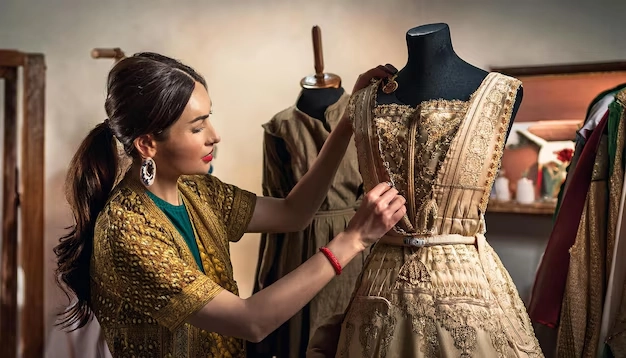

Introduction to Fashion
Fashion is far more than clothing; it is a powerful form of self-expression, identity, and culture. Across centuries, it has shaped societies, influenced movements, and reflected social changes. Today, fashion continues to be a dynamic blend of creativity, craftsmanship, and innovation. From catwalk trends to everyday streetwear, it serves as both a mirror and a canvas of human experience.
Fashion also plays an integral role in boosting confidence and individuality. By carefully selecting garments, accessories, and styles, people project not only their personality but also their social values. In recent years, the industry has embraced sustainability and inclusivity, shifting the way fashion is produced and consumed.
The Historical Roots of Fashion
Fashion history offers fascinating insight into how societies evolved.
Early Civilisations
-
Egyptians valued linen garments, jewellery, and elaborate headpieces as symbols of wealth and spirituality.
-
Greeks and Romans pioneered draped clothing like tunics and togas, designed for both elegance and practicality.
-
Medieval Europe saw fabrics like velvet and silk reserved for the elite, marking class divisions through attire.
Renaissance to Victorian Eras
The Renaissance brought flamboyant costumes with embroidered details, while the Victorian age introduced structured silhouettes, corsets, and layered gowns. Clothing was often seen as an outward indicator of morality, propriety, and social standing.
The 20th Century
The 20th century revolutionised fashion:
-
The 1920s embraced flapper dresses and freedom of movement.
-
1950s glamour featured tailored suits and feminine skirts.
-
1970s celebrated bold prints and unisex dressing.
-
1990s gave rise to minimalism, streetwear, and grunge.
The Global Fashion Industry Today
The fashion industry is one of the largest creative sectors in the world, spanning luxury labels, high-street retailers, and independent designers. It thrives on innovation, marketing, and the global demand for unique trends.
Key Elements of Modern Fashion
-
Sustainability: Brands now explore eco-friendly fabrics and ethical production.
-
Technology: Virtual fashion shows, AI-driven styling, and digital wardrobes are transforming consumer experiences.
-
Cultural Fusion: Styles from different countries influence one another, creating hybrid trends.
-
Fast Fashion vs Slow Fashion: A debate over mass production versus conscious, quality-focused choices.
Fashion as a Personal Statement
Clothing speaks volumes before words do. The way people dress often reflects:
-
Mood and confidence
-
Professionalism and lifestyle
-
Beliefs and values
-
Social or cultural heritage
In many cases, fashion helps individuals stand out, belong to a group, or make a bold statement. For instance, streetwear culture represents urban identity, while minimalist dressing embodies sophistication and restraint.
The Role of Accessories
Accessories complete an outfit, transforming simple attire into a fashion statement.
-
Bags and Shoes: Define personal style and function.
-
Jewellery: Ranges from symbolic pieces to high-fashion items.
-
Scarves, Hats, and Belts: Add versatility to any wardrobe.
-
Watches: Still remain timeless symbols of elegance and status.
Influence of Celebrities and Media
The power of celebrities and media in shaping fashion cannot be understated. From red carpet appearances to Instagram posts, public figures dictate what millions aspire to wear. Social media platforms have become global runways where trends spread instantly, creating fashion movements in real time.
Streetwear and Youth Culture
Streetwear has become a dominant force in fashion, blending casual comfort with bold expression. Originating from skate, surf, and hip-hop cultures, it has transcended into mainstream fashion. Oversized hoodies, trainers, and graphic tees are now staples across generations.
The Rise of Sustainable Fashion
Consumers are increasingly conscious of how their purchases impact the planet. This shift has encouraged brands to:
-
Use organic and recycled fabrics
-
Promote fair trade and ethical labour practices
-
Offer clothing rental and resale platforms
-
Educate customers on conscious consumption
Sustainable fashion is not only an environmental necessity but also a lifestyle choice for the modern consumer.
Fashion and Technology
Technology is rewriting the rules of style:
-
3D Printing: Enables custom garments and unique designs.
-
Virtual Try-Ons: Allow shoppers to see how clothes fit online.
-
Smart Fabrics: Monitor health or adjust to weather conditions.
-
AI Personal Stylists: Provide tailored fashion advice for customers.
This integration of digital solutions makes fashion more accessible, efficient, and personalised.
Men’s and Women’s Fashion: Breaking Boundaries
Fashion no longer abides by rigid gender rules. More people embrace androgynous dressing, where clothing blurs traditional boundaries. Designers now create collections that prioritise inclusivity, comfort, and individual choice over binary categorisation.
Fashion Weeks and Global Shows
Fashion weeks in cities such as London, Paris, Milan, and New York set the tone for upcoming seasons. These events are not just displays of new designs but also cultural milestones that inspire innovation and creativity worldwide.
Everyday Fashion Tips
While high fashion can be aspirational, everyday fashion is about practicality and personal comfort.
-
Invest in timeless basics like white shirts, blazers, and denim.
-
Add seasonal pieces to refresh your wardrobe.
-
Pay attention to fit rather than just trends.
-
Balance comfort with aesthetics for long-lasting wear.
FAQs on Fashion
Why does fashion change so quickly?
Fashion evolves rapidly because of cultural shifts, technological advancements, celebrity influence, and consumer demand for novelty. Social media accelerates these changes by making trends go viral instantly.
How can I build a sustainable wardrobe?
Start by investing in versatile, high-quality pieces that last longer. Buy fewer items, choose eco-friendly fabrics, and consider second-hand or vintage shopping.
What role does fashion play in professional life?
Fashion in professional settings communicates confidence, competence, and authority. A well-curated wardrobe can enhance personal branding and career opportunities.
Is fashion only about clothing?
Not at all. Fashion encompasses accessories, hairstyles, makeup, and even lifestyle choices that together create a holistic expression of identity.
How do I discover my personal style?
Experiment with different looks, note what makes you feel confident, and curate a wardrobe around those preferences. Style is about authenticity, not imitation.

Comments are closed.