
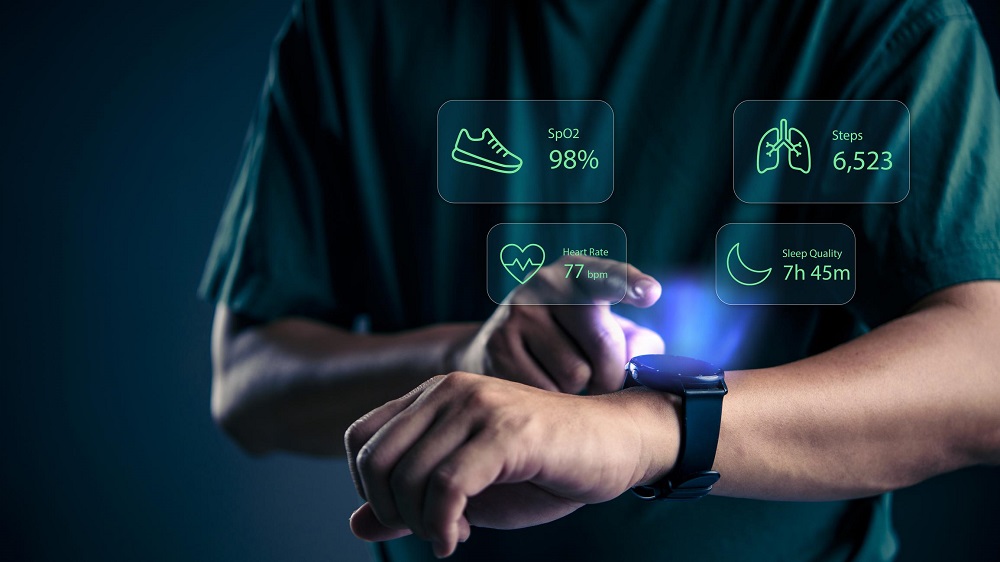

Wearable technology has evolved from simple step counters into powerful health monitoring systems that can track critical physiological data in real time. Devices such as smartwatches, fitness trackers, smart rings, and biosensor patches are transforming how individuals monitor their health and how medical professionals manage patient care.
The growing integration of biometric sensors, artificial intelligence, and cloud computing is enabling continuous health monitoring outside traditional healthcare settings. This shift is changing healthcare from a reactive system—focused on treating illness—to a proactive model centered on prevention, early detection, and personalized care.
What is Wearable Health Technology?
Wearable health technology refers to electronic devices worn on the body that collect and analyze physiological data. These devices use sensors to measure body signals and convert them into actionable health insights.
Common examples include:
- Smartwatches and fitness trackers
- Smart rings
- Health-monitoring patches
- Wearable ECG monitors
- Sleep tracking headbands
These devices connect to smartphones or cloud platforms where data is analyzed and visualized for users and healthcare providers.
How Wearable Devices Monitor Health
Modern wearable devices rely on a range of sensors to track body functions continuously. These sensors capture health metrics that were once only measurable in hospitals or clinics.
Key Sensors Used in Wearables
- Photoplethysmography (PPG) sensors – measure heart rate and blood oxygen levels
- Accelerometers and gyroscopes – track movement, steps, and activity levels
- Electrocardiogram (ECG) sensors – detect heart rhythm irregularities
- Temperature sensors – monitor body temperature changes
- Electrodermal activity sensors – measure stress levels through skin conductivity
Collected data is processed using AI algorithms that detect patterns and identify potential health risks.
Major Health Metrics Tracked by Wearables
Wearable health devices track a wide range of metrics that provide insights into physical health and daily habits.
Common health measurements include:
- Heart rate and heart rate variability
- Blood oxygen saturation (SpO₂)
- Sleep duration and sleep stages
- Physical activity and calorie expenditure
- Stress levels
- Skin temperature
- Respiratory rate
Some advanced medical wearables can even monitor blood pressure, glucose levels, and cardiac rhythms.
Benefits of Wearable Health Monitoring
The rise of wearable health technology offers several advantages for both individuals and healthcare systems.
1. Early Detection of Health Issues
Continuous monitoring can detect abnormalities such as irregular heart rhythms, sudden drops in oxygen levels, or unusual sleep patterns, allowing early medical intervention.
2. Preventive Healthcare
By tracking lifestyle habits and physiological indicators, wearables help users make informed decisions about exercise, diet, sleep, and stress management.
3. Remote Patient Monitoring
Healthcare providers can remotely track patient data in real time, which is especially useful for chronic disease management and post-surgery recovery.
4. Personalized Health Insights
Wearables analyze user data to deliver customized health recommendations, encouraging healthier behavior over time.
5. Reduced Healthcare Costs
Continuous monitoring may reduce hospital visits by enabling early diagnosis and preventive treatment, lowering overall healthcare expenses.
Wearable Technology in Clinical Medicine
Wearable devices are increasingly being integrated into medical systems and clinical research.
Chronic Disease Management
Patients with chronic conditions such as diabetes, heart disease, or respiratory disorders can benefit from continuous monitoring that alerts healthcare providers to potential complications.
Cardiac Monitoring
ECG-enabled wearables help detect arrhythmias and atrial fibrillation, conditions that can lead to stroke if left untreated.
Rehabilitation and Recovery
Doctors use wearable sensors to monitor patient movement and recovery progress during physical therapy and rehabilitation programs.
Elderly Care
Wearables equipped with fall detection and emergency alerts can improve safety and independence for older adults.
The Role of Artificial Intelligence in Wearable Health
Artificial intelligence is a key driver behind the future of wearable health technology.
AI algorithms analyze vast amounts of biometric data to:
- Identify health patterns and anomalies
- Predict potential health risks
- Provide personalized health recommendations
- Assist in early disease detection
Over time, machine learning systems will become more accurate as they process large datasets from millions of users.
Emerging Trends in Wearable Health Technology
The next generation of wearable devices is expected to expand significantly in both capability and accuracy.
Non-Invasive Glucose Monitoring
Researchers are developing wearables capable of measuring blood glucose levels without finger-prick tests, which could greatly benefit people with diabetes.
Smart Clothing
Clothing embedded with sensors can track muscle activity, posture, and cardiovascular signals during everyday activities.
Advanced Biosensors
New biosensors are being designed to detect hydration levels, fatigue, metabolic activity, and even early infection markers.
Continuous Blood Pressure Monitoring
Future wearables may provide real-time blood pressure tracking without traditional cuffs.
Integration with Telemedicine
Wearable data will increasingly integrate with telemedicine platforms, allowing doctors to analyze patient data remotely and provide virtual care.
Challenges and Concerns
Despite the promising potential of wearable health technology, several challenges remain.
Data Privacy and Security
Wearable devices collect sensitive health data, raising concerns about data protection and cybersecurity.
Accuracy and Reliability
Consumer-grade wearables may sometimes produce less accurate readings compared to clinical equipment, though technology is improving rapidly.
Battery Life and Device Comfort
Long-term use requires devices that are lightweight, comfortable, and capable of extended battery life.
Regulatory Approval
Medical-grade wearable devices must meet strict regulatory standards before being used in clinical settings.
The Future of Health Monitoring
The future of healthcare is shifting toward continuous, personalized health monitoring. Wearable technology will likely play a central role in this transformation.
In the coming years, wearable devices may evolve into complete digital health platforms, capable of predicting diseases, guiding treatment decisions, and integrating seamlessly with healthcare systems.
As technology advances, the combination of wearable sensors, artificial intelligence, and connected healthcare networks could significantly improve preventive medicine and overall health outcomes.
Frequently Asked Questions (FAQ)
1. What is the main purpose of wearable health technology?
Wearable health technology is designed to continuously monitor physiological data, helping individuals track their health and enabling early detection of potential medical issues.
2. Are wearable health devices accurate?
Many modern wearables provide highly reliable estimates for metrics like heart rate and activity levels. However, some measurements may still be less precise than medical-grade equipment.
3. Can wearable devices detect diseases?
Some wearable devices can detect early warning signs of conditions, such as irregular heart rhythms or abnormal sleep patterns, though they are not a substitute for medical diagnosis.
4. How do wearable devices help doctors?
Doctors can use wearable data for remote patient monitoring, chronic disease management, and recovery tracking, allowing more informed treatment decisions.
5. What types of wearable health devices exist?
Common wearable health devices include smartwatches, fitness trackers, smart rings, biosensor patches, and smart clothing equipped with health-monitoring sensors.
6. Are wearable health devices safe to use?
Most wearable devices are safe for everyday use and designed with non-invasive sensors that do not harm the body.
7. What is the future of wearable health monitoring?
Future wearable technology may include advanced biosensors, AI-powered diagnostics, smart clothing, and non-invasive health monitoring systems that continuously track multiple body functions.

Comments are closed.