
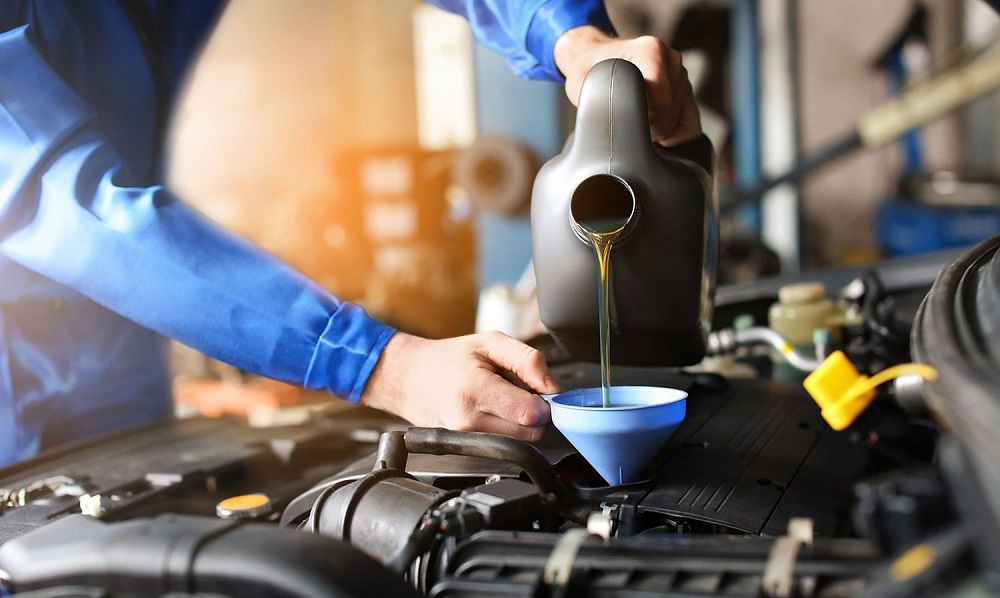

Maintaining a vehicle goes far beyond simply filling the fuel tank and driving. One of the most critical yet often overlooked maintenance tasks is changing the engine oil regularly. Engine oil plays a vital role in protecting internal engine components, reducing friction, and ensuring the vehicle runs smoothly.
Neglecting oil changes can lead to engine wear, poor fuel efficiency, and eventually costly repairs. Understanding why oil changes matter helps vehicle owners maintain performance, extend engine life, and avoid unexpected breakdowns.
What Engine Oil Actually Does
Engine oil acts as the lifeblood of an engine. It performs several essential functions that keep the engine running efficiently.
Key Functions of Engine Oil
- Lubrication: Reduces friction between moving engine parts
- Cooling: Helps dissipate heat generated by engine components
- Cleaning: Removes dirt, debris, and combustion by-products
- Protection: Prevents corrosion and wear on metal surfaces
- Sealing: Helps maintain proper compression within engine cylinders
Without proper lubrication, metal components inside the engine would grind against each other, causing severe damage.
Why Regular Oil Changes Matter
Over time, engine oil breaks down due to heat, contaminants, and oxidation. When this happens, it loses its effectiveness and can no longer protect the engine properly.
1. Prevents Engine Wear
Fresh oil creates a protective film between moving components like pistons, crankshafts, and camshafts. When oil becomes old or contaminated, this protective layer weakens, leading to increased friction and engine wear.
2. Improves Engine Performance
Clean oil flows smoothly through engine passages, allowing components to operate efficiently. Dirty oil thickens and slows down circulation, which can reduce power and overall engine responsiveness.
3. Enhances Fuel Efficiency
An engine working with clean lubrication requires less effort to move internal parts. As a result, the vehicle consumes less fuel, improving mileage and saving money over time.
4. Prevents Sludge Buildup
When oil degrades, it can turn into thick sludge. This sludge blocks oil passages and restricts lubrication, potentially causing serious engine problems.
Regular oil changes prevent sludge formation and keep the engine clean.
5. Extends Engine Lifespan
Consistent maintenance dramatically increases the longevity of an engine. Replacing oil at recommended intervals ensures all internal components receive proper lubrication and protection.
6. Helps Maintain Warranty Requirements
Many vehicle manufacturers require routine maintenance, including oil changes, to keep warranties valid. Skipping oil changes may void certain warranty protections if engine damage occurs.
Signs Your Vehicle Needs an Oil Change
Drivers should watch for warning signs that indicate the oil is no longer performing effectively.
Common Warning Indicators
- Dark or dirty oil visible on the dipstick
- Engine noise or knocking sounds
- Oil change or check engine light appearing on the dashboard
- Burning oil smell inside the vehicle
- Excess exhaust smoke
Ignoring these signs can lead to severe mechanical issues.
How Often Should You Change Engine Oil?
Oil change intervals depend on the vehicle type, engine design, and driving conditions.
General Oil Change Guidelines
- Conventional oil: every 3,000–5,000 miles (4,800–8,000 km)
- Synthetic oil: every 7,500–10,000 miles (12,000–16,000 km)
- Severe driving conditions (dust, towing, frequent short trips) may require more frequent oil changes
Always consult the vehicle’s owner manual for manufacturer recommendations.
Types of Engine Oil
Not all engine oils are the same. Choosing the right oil ensures optimal engine protection.
Common Types of Motor Oil
1. Conventional Oil
- Derived from crude oil
- Suitable for older vehicles
- Requires more frequent changes
2. Synthetic Oil
- Engineered for better performance
- Handles extreme temperatures well
- Longer service intervals
3. Synthetic Blend
- Mix of conventional and synthetic oils
- Offers balanced protection and affordability
4. High-Mileage Oil
- Designed for vehicles with 75,000+ miles
- Helps reduce leaks and oil consumption
The Cost of Skipping Oil Changes
Skipping oil changes might seem harmless initially, but long-term consequences can be expensive.
Potential Problems
- Engine overheating
- Increased fuel consumption
- Damaged engine components
- Reduced vehicle resale value
- Complete engine failure in extreme cases
Compared to these risks, an oil change is one of the most affordable preventive maintenance tasks for any vehicle owner.
Tips for Maintaining Healthy Engine Oil
Proper oil maintenance can significantly improve engine health.
Best Practices
- Check oil level once a month
- Replace the oil filter during every oil change
- Use manufacturer-recommended oil type
- Avoid long intervals between oil changes
- Address oil leaks immediately
Following these habits ensures consistent engine performance and reliability.
Conclusion
Regular oil changes are essential for keeping a vehicle’s engine running efficiently and reliably. Fresh oil lubricates moving parts, prevents overheating, improves fuel economy, and protects against costly engine damage.
Ignoring this simple maintenance task can lead to severe mechanical problems and expensive repairs. By following recommended oil change intervals and using the right type of oil, drivers can extend engine life, maintain vehicle performance, and reduce long-term maintenance costs.
Frequently Asked Questions (FAQs)
1. What happens if I delay an oil change?
Delaying oil changes allows contaminants to accumulate in the oil, reducing lubrication and increasing engine wear, which can eventually lead to engine damage.
2. Can I switch from conventional oil to synthetic oil?
Yes, most modern vehicles can switch to synthetic oil without problems. Synthetic oil often provides better protection and longer change intervals.
3. Is changing the oil filter necessary every time?
Yes. The oil filter traps dirt and debris. Replacing it during each oil change ensures the new oil remains clean and effective.
4. Does driving style affect oil change frequency?
Yes. Frequent short trips, heavy traffic, towing, or driving in dusty environments can degrade oil faster, requiring more frequent changes.
5. How can I check my engine oil level?
Park the vehicle on level ground, remove the dipstick, wipe it clean, reinsert it, and then check the oil level markings on the dipstick.
6. Why does engine oil become dark?
Oil becomes dark as it collects carbon particles, dirt, and combustion by-products. Dark oil does not always mean it needs immediate replacement, but very thick or gritty oil indicates it’s time for a change.
7. Can low engine oil damage the engine?
Yes. Low oil levels reduce lubrication, which can cause overheating, excessive friction, and severe engine damage if not addressed quickly.

Comments are closed.