
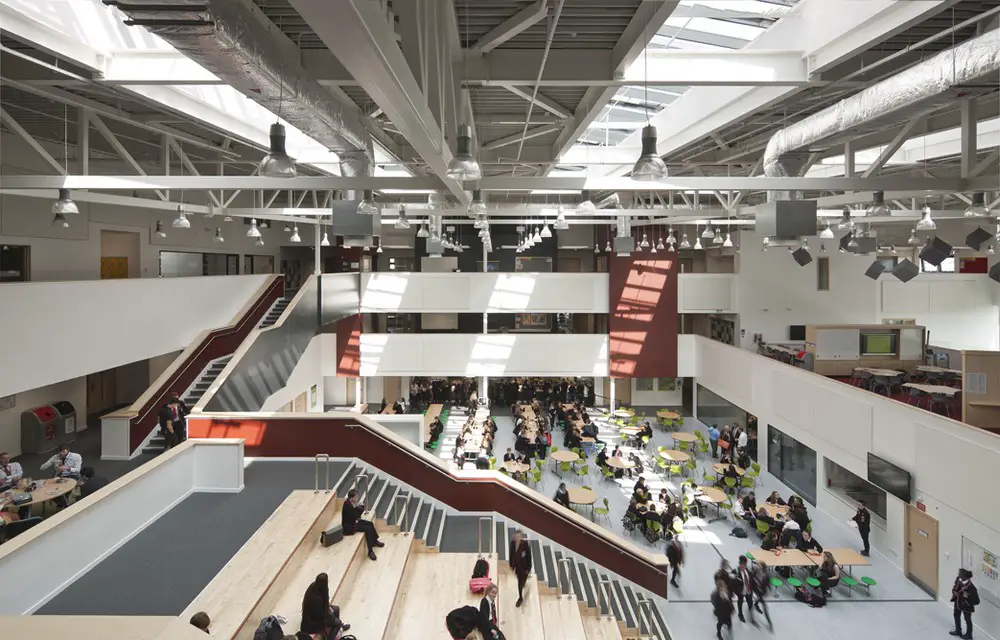

Introduction to Education’s Role in Society
Education is one of the most powerful tools for individual and collective progress. It shapes how people think, behave, and interact with the world around them. In many ways, education is the foundation of a thriving society, influencing economic growth, social equality, and cultural development. Without access to quality learning opportunities, individuals and communities struggle to reach their potential.
From early childhood learning to higher education and lifelong learning, every stage plays a unique role. The emphasis on education in modern times has grown, as knowledge has become the currency of advancement. It not only equips people with practical skills but also empowers them with critical thinking and resilience in an ever-changing world.
The Importance of Early Education
The earliest years of life are crucial for intellectual and emotional growth. Research consistently shows that children who are given quality educational support from an early age are more likely to excel later in life.
Key benefits of early education:
-
Cognitive development: Early schooling nurtures problem-solving, memory, and language skills.
-
Social interaction: Children learn to collaborate, share, and build relationships.
-
Emotional resilience: Structured environments help children manage emotions and adapt to change.
-
Foundation for lifelong learning: Early literacy and numeracy skills provide the building blocks for future academic success.
Governments and communities that invest in early childhood education see long-term benefits, such as reduced crime rates, higher employment levels, and improved social cohesion.
Education as a Driver of Economic Growth
Education is not only about personal development but also about fuelling economic prosperity. Skilled and knowledgeable workers are at the heart of a competitive economy. Countries that prioritise education often lead in innovation, productivity, and global trade.
How education contributes to economic growth:
-
Workforce readiness: Trained individuals adapt better to changing industries.
-
Innovation and creativity: Education fosters an environment where new ideas can flourish.
-
Job creation: An educated population stimulates entrepreneurship and business growth.
-
Global competitiveness: Nations with strong education systems attract investment and talent.
Education creates a cycle where personal achievement feeds into collective growth, making it an essential investment for sustainable development.
The Role of Technology in Modern Education
Technology has redefined how we teach and learn. Online platforms, interactive tools, and digital classrooms have made education more accessible than ever before. Virtual learning has become a lifeline, especially during global disruptions like the pandemic.
Positive impacts of technology in education:
-
Wider access: Students in remote areas can learn from top institutions worldwide.
-
Personalised learning: Adaptive software tailors lessons to individual needs.
-
Interactive experiences: Videos, simulations, and gamified content enhance understanding.
-
Collaboration opportunities: Students connect globally, sharing knowledge across cultures.
However, it is important to address digital divides. Without equal access to devices and internet connectivity, some learners risk being left behind.
Lifelong Learning and Skills Development
Education does not end with graduation. In today’s fast-changing job market, continuous learning is essential. Professionals must constantly update their skills to remain relevant.
Lifelong learning includes:
-
Professional development courses: Short-term training keeps employees competitive.
-
Higher education for adults: Degrees and certifications pursued later in life.
-
Informal learning: Podcasts, workshops, and self-directed study.
-
Skill-based learning: Vocational training prepares individuals for hands-on careers.
The ability to learn, unlearn, and relearn is what makes individuals adaptable to global shifts in technology, economy, and culture.
Education and Social Equality
Education is often referred to as the great equaliser. It breaks down barriers of poverty, inequality, and discrimination. By offering opportunities for all, societies can foster fairness and inclusivity.
Impact of education on social equality:
-
Gender equality: Educating girls raises entire communities by reducing child marriage, improving health, and boosting income.
-
Bridging class divides: Accessible education allows people from disadvantaged backgrounds to compete fairly.
-
Cultural awareness: Schools and universities promote diversity, tolerance, and understanding.
-
Reducing poverty cycles: Education increases employment opportunities and improves living standards.
Without fair access to education, social divides deepen. This is why policies that support universal education are vital.
Challenges Facing Education Today
Despite its importance, education systems worldwide face challenges that require urgent attention.
Common challenges:
-
Funding shortages: Many schools lack resources to provide quality education.
-
Teacher shortages: Skilled teachers are in high demand but often undervalued.
-
Unequal access: Rural areas and marginalised communities still face barriers.
-
Changing skill demands: Traditional curricula often lag behind modern job requirements.
-
Mental health pressures: Students face growing stress, calling for emotional support systems.
Addressing these issues requires collaboration between governments, educators, families, and communities.
Future Trends in Education
The future of education will be shaped by innovation, adaptability, and inclusivity. As the world becomes increasingly interconnected, education must evolve.
Likely trends include:
-
Hybrid learning models: A mix of classroom and online methods will become standard.
-
AI in education: Artificial intelligence will provide customised feedback and support.
-
Global education networks: Cross-border partnerships will expand opportunities.
-
Green education: Sustainability and environmental awareness will become central themes.
-
Focus on soft skills: Leadership, communication, and problem-solving will be prioritised alongside technical skills.
Preparing for these trends ensures that learners of today can become leaders of tomorrow.
Frequently Asked Questions (FAQ)
Why is education considered a lifelong process?
Education is not confined to schools or universities. With technology and evolving industries, individuals must constantly update their knowledge. Lifelong learning helps people remain adaptable and successful.
How does education improve health outcomes?
Studies show that educated individuals are more likely to understand healthcare information, practise healthier lifestyles, and access medical services. This leads to longer life expectancy and improved community health.
What role do parents play in education?
Parents shape children’s attitudes towards learning. Active involvement in homework, reading, and discussions fosters a supportive environment that boosts academic performance.
Is vocational training as important as academic education?
Yes, vocational training provides hands-on skills that directly prepare individuals for specific careers. It is equally valuable as academic education, particularly in industries like healthcare, engineering, and technology.
How can education adapt to rapid technological change?
Schools and universities can introduce flexible curricula, digital tools, and regular teacher training. Encouraging critical thinking and problem-solving skills ensures students can adapt to future challenges.

Comments are closed.