
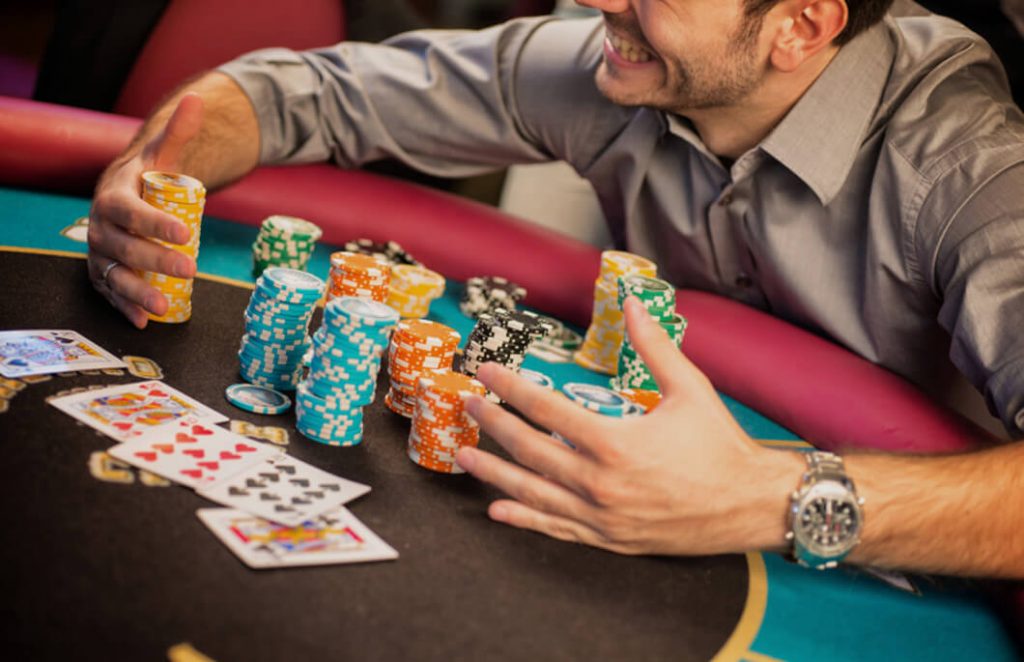

Introduction to Gambling
Gambling has been part of human culture for centuries, evolving from simple games of chance to a global industry worth billions of pounds. Today, it encompasses everything from traditional casino tables and lotteries to modern online platforms. At its core, gambling involves staking something valuable, typically money, on an uncertain outcome with the hope of winning more in return. This blend of risk and reward is what makes it both thrilling and, at times, problematic.
For many, gambling is a form of entertainment. However, it can also lead to financial stress and addiction if not approached responsibly. Understanding how gambling works, its types, and the importance of responsible play is essential for anyone who takes part.
Types of Gambling
Gambling comes in various forms, each with unique characteristics, rules, and risks. Some of the most popular include:
Casino Games
Casinos are synonymous with gambling. Common games include:
-
Blackjack – A card game where the aim is to beat the dealer without exceeding 21.
-
Roulette – Players bet on where a ball will land on a spinning wheel.
-
Poker – A mix of chance, skill, and strategy where players compete against one another.
-
Slot Machines – Known for their simplicity, these rely purely on chance with colourful themes and jackpots.
Sports Betting
Sports betting allows individuals to wager on the outcome of sporting events. Whether it is football, horse racing, or tennis, punters predict results and place their stakes accordingly. Live betting, where bets are made during a match, has become increasingly popular in recent years.
Lotteries and Raffles
Lotteries are one of the oldest and most widespread forms of gambling. Tickets are bought in the hope of winning a life-changing jackpot, though the odds are slim. Smaller raffles and draws are also common in community events.
Online Gambling
The rise of technology has made gambling more accessible. Online platforms offer digital versions of casinos, sports betting, and even virtual slot machines. Mobile apps have further increased convenience, allowing people to gamble from anywhere.
Bingo and Social Games
Bingo, often seen as a community pastime, has both in-person and online versions. Social casino games also exist, where players use virtual currency, though real money can sometimes still be involved.
Why People Gamble
The motivations for gambling vary widely:
-
Entertainment – For many, it is simply fun and provides excitement.
-
Social Interaction – Games like poker and bingo bring people together.
-
Financial Gain – The hope of winning big is a powerful incentive.
-
Escapism – Some gamble to distract themselves from stress or personal challenges.
Risks of Gambling
While gambling can be enjoyable, it is important to recognise the potential dangers.
Financial Consequences
Losing money is an inevitable part of gambling. Some individuals spend more than they can afford, leading to debt and financial instability.
Psychological Impact
Gambling can cause anxiety, stress, and guilt. For some, the thrill becomes addictive, leading to compulsive behaviour.
Social Effects
Problem gambling can strain relationships with family and friends, creating isolation and mistrust.
Responsible Gambling Practices
To reduce risks, responsible gambling should be prioritised. Key principles include:
-
Set Limits – Decide in advance how much time and money you are willing to spend.
-
Understand the Odds – Recognise that the house always has an advantage.
-
Avoid Chasing Losses – Trying to recover losses often leads to further debt.
-
Take Breaks – Regular pauses help maintain perspective and control.
-
Use Support Tools – Many online platforms offer self-exclusion and spending limit features.
Regulation and Licensing
In the UK, gambling is regulated by the UK Gambling Commission, which ensures fairness, transparency, and player protection. Licensed operators must follow strict rules on advertising, responsible gambling measures, and safeguarding vulnerable individuals. This regulation provides players with reassurance when using legitimate services.
Gambling and Technology
Technology has reshaped gambling in several ways:
-
Mobile Apps – Instant access to casinos and betting platforms.
-
Live Streaming – Enhances the experience of sports betting.
-
Virtual Reality – Emerging VR casinos create immersive environments.
-
Artificial Intelligence – Used to personalise user experience and detect problem gambling behaviour.
Signs of Gambling Addiction
Recognising the warning signs of problem gambling is crucial. Common indicators include:
-
Spending more money or time than intended
-
Hiding gambling activities from loved ones
-
Borrowing money to gamble
-
Neglecting work, studies, or family responsibilities
-
Feeling restless or irritable when trying to stop
Support and Resources
Help is available for those struggling with gambling addiction. In the UK, organisations such as GamCare and BeGambleAware provide support services, counselling, and helplines. Many communities also offer peer-support groups where individuals can share their experiences.
The Future of Gambling
The gambling industry continues to evolve. Online platforms, esports betting, and cryptocurrency payments are shaping new trends. At the same time, regulators and charities are pushing for stronger safeguards to protect players, particularly young people and those vulnerable to addiction.

Comments are closed.