
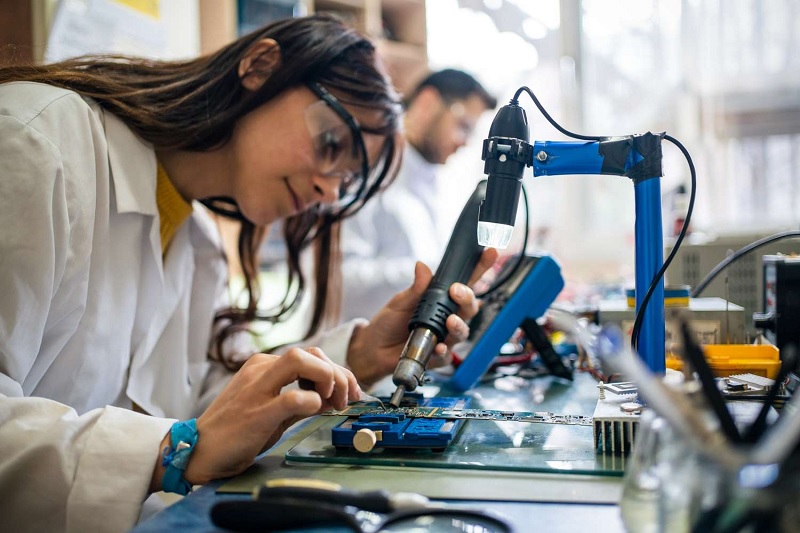

For decades, modern career advice followed a rigid, predictable script. High school graduates were funneled relentlessly toward four-year universities, conditioned to believe that a bachelor degree was the singular gateway to professional stability and financial security. This traditional paradigm treated vocational training as a secondary option reserved for students who struggled academically, creating an artificial divide between cognitive scholarship and hands-on craftsmanship. Today, that outdated cultural narrative is collapsing under the weight of economic reality.
As industries evolve, technological infrastructure expands, and specialized labor shortages reach historic highs, skilled trades and technical professions have emerged as lucrative, prestigious career pathways. Vocational education—once dismissed as trade school—is undergoing a massive renaissance. By combining rigorous technical instruction with immersive, real-world application, vocational programs are unlocking new opportunities for career-seekers, proving that mastery of a specialized craft is one of the most reliable routes to long-term professional prosperity.
The Paradigm Shift in Modern Career Preparation
The economic landscape of the twenty-first century demands a critical reassessment of how society values labor and education. While traditional academic degree programs excel at building theoretical frameworks, they frequently leave graduates saddled with heavy student loan debt and searching for practical experience in saturated job markets. Conversely, vocational education focuses directly on applied competence, aligning its curricula precisely with the acute demands of active industries.
This alignment creates a streamlined pathway from education to employment. Students in technical programs do not spend years studying abstract concepts detached from the workplace; instead, they learn by doing, utilizing the exact tools, software, and machinery they will encounter on the job. This hands-on focus accelerates skill acquisition, ensuring that graduates enter the workforce as productive, confident contributors from day one.
The Economic Realities of the Skilled Labor Shortage
A major catalyst driving the surge in vocational education is the severe shortage of skilled professionals across multiple sectors. As an experienced generation of tradespeople approaches retirement age, a massive talent gap is opening up in critical industries such as advanced manufacturing, construction, electrical work, plumbing, HVAC maintenance, and automotive diagnostics.
This supply-demand imbalance has dramatically shifted financial leverage toward skilled workers. Plumbers, electricians, and specialized technicians often command starting salaries and hourly wages that rival or exceed those of corporate office workers, without the burden of tens of thousands of dollars in undergraduate debt. Furthermore, the rise of automation and artificial intelligence has paradoxically increased the value of manual dexterity, physical problem-solving, and in-person technical troubleshooting—skills that algorithms cannot easily replicate.
Specialized Pathways in Contemporary Vocational Training
Vocational education has evolved far beyond traditional imagery of dusty workshops and basic mechanical repair. Modern technical schools and community colleges offer sophisticated, highly specialized programs that integrate cutting-edge technology with traditional craftsmanship.
Advanced Manufacturing and Mechatronics
Modern manufacturing facilities operate as high-tech digital environments where robotics, computer-aided design, and automated systems intersect. Vocational programs in mechatronics train students in mechanical engineering, electronics, and computer programming simultaneously. Graduates step into roles as automation technicians, managing and repairing the complex machinery that drives modern production lines.
Green Energy and Sustainable Infrastructure
The global transition toward renewable energy has created an unprecedented demand for specialized technicians. Vocational training now encompasses solar panel installation, wind turbine maintenance, electric vehicle charging infrastructure setup, and energy-efficient building management. These programs prepare students for future-proof careers that support environmental sustainability while offering strong wage growth.
Information Technology and Cybersecurity Support
Not all vocational training is strictly manual. Technical institutes offer accelerated certificate programs in network administration, cybersecurity defense, and IT support. These intensive, practical courses bypass general education requirements to focus entirely on earning industry-recognized credentials, allowing career-switchers to enter the tech sector rapidly and efficiently.
The Power of Earn-While-You-Learn Models
One of the most compelling advantages of vocational education is the integration of apprenticeship models. Unlike traditional university students who pay tuition for years before gaining professional experience, vocational trainees often participate in earn-while-you-learn programs.
Apprenticeships allow students to work alongside seasoned master craftspeople, gaining paid, real-time experience while completing their formal technical education. This structure eliminates the false choice between earning an income and acquiring an education. Apprentices earn wages from the beginning of their training, receiving scheduled pay increases as their competence and responsibility grow. By the time they officially graduate, they possess zero educational debt, several years of verified work experience, and a secure position within an established company.
Fostering Entrepreneurship and Economic Independence
Vocational education does more than prepare individuals to become exceptional employees; it serves as a powerful incubator for entrepreneurship. Because skilled trades address fundamental, everyday human needs—such as shelter, power, water, and mobility—technicians possess portable, highly sought-after skills that translate effortlessly into independent business ownership.
Many electricians, contractors, and specialized mechanics eventually launch their own independent service companies, building local enterprises with minimal initial overhead compared to retail or tech startups. Vocational programs frequently incorporate small business management, pricing strategy, and customer service into their technical curricula, equipping graduates with the commercial acumen required to transition from skilled practitioners to successful business owners.
Overcoming Cultural Stigma and Embracing Practical Excellence
Despite the undeniable financial and professional benefits of vocational careers, societal perceptions have been slow to catch up with economic reality. Lingering cultural biases that frame trade work as inferior to white-collar employment continue to steer well-meaning students away from lucrative technical paths.
Overcoming this stigma requires a collective cultural reframing. Society must recognize that intelligence takes many forms, and that analytical problem-solving applied to physical systems is just as intellectually rigorous as managing spreadsheets in a corporate tower. When parents, educators, and guidance counselors present vocational education as a premier, high-achieving choice rather than a fallback option, young people feel empowered to pursue the paths that genuinely align with their aptitudes and passions.
Building a Sustainable Future Through Technical Mastery
The future belongs to those who can build, repair, innovate, and maintain the physical and digital infrastructure of society. Vocational education bridges the gap between human potential and economic demand, creating accessible, debt-free pathways to rewarding careers. By championing hands-on learning, expanding modern technical curricula, and honoring the dignity of skilled labor, we open doors of opportunity that empower individuals, strengthen communities, and secure a prosperous economic future for generations to come.

Comments are closed.