
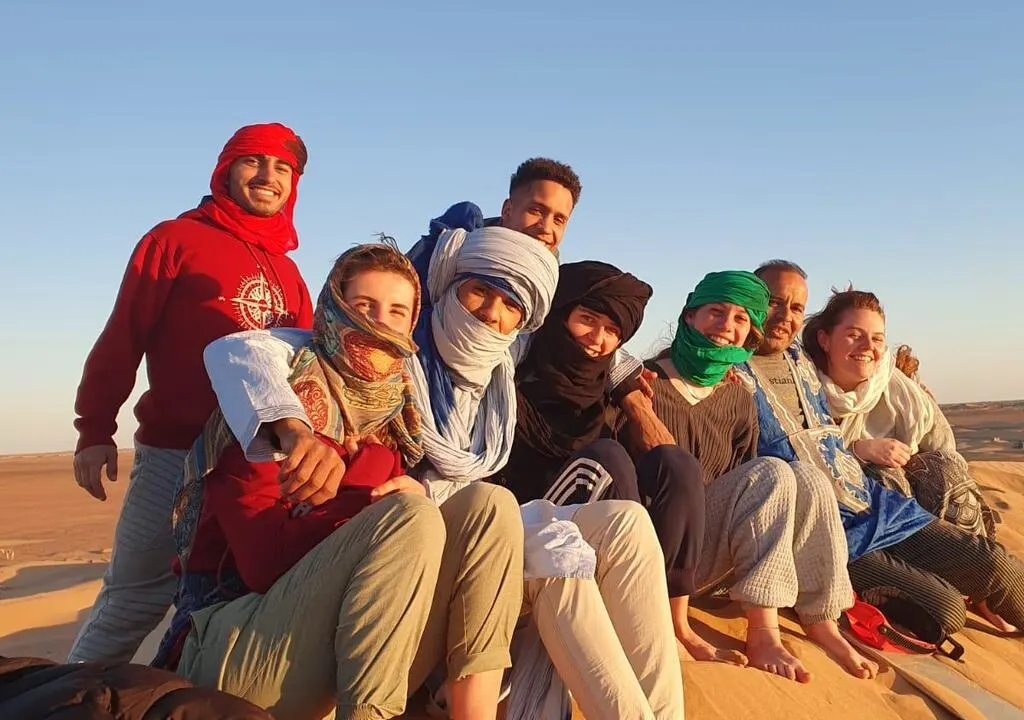

Travel is more than visiting famous landmarks or ticking destinations off a list. Cultural travel focuses on experiencing the traditions, lifestyles, and heritage of local communities. It allows travelers to connect with people, learn history through lived experiences, and gain a deeper appreciation of the world’s cultural diversity.
Instead of simply observing from a distance, cultural travel encourages participation in everyday life—whether through local festivals, traditional foods, art, or customs passed down for generations.
What Is Cultural Travel?
Cultural travel refers to exploring destinations specifically to understand their heritage, traditions, and way of life. This type of travel often includes engaging with local communities, attending cultural events, and learning about historical practices.
Travelers interested in culture seek authentic experiences that reveal the identity of a place. Rather than focusing solely on sightseeing, they explore how culture influences daily life.
Key Elements of Cultural Travel
- Traditional festivals and ceremonies
- Local cuisine and cooking practices
- Historic architecture and heritage sites
- Handicrafts and traditional arts
- Community lifestyles and customs
These elements help travelers understand the values and stories that shape a region.
Experiencing Local Festivals and Celebrations
Festivals are among the most vibrant expressions of culture. They often combine music, dance, food, and rituals, reflecting the traditions and beliefs of a community.
Attending a local festival allows travelers to witness authentic cultural expression and participate in communal celebrations.
Why Festivals Matter
- They preserve centuries-old traditions
- They strengthen community identity
- They showcase regional art and music
- They offer visitors a direct cultural experience
Examples include harvest celebrations, religious ceremonies, and traditional dance events that bring communities together.
Discovering Traditional Cuisine
Food is a powerful gateway to culture. Traditional recipes often reflect local geography, climate, and historical influences.
Trying local dishes or learning traditional cooking techniques helps travelers understand the flavors and ingredients that define a region.
Ways to Explore Food Culture
- Join local cooking classes
- Visit traditional markets
- Eat at family-run restaurants
- Participate in food festivals
Each meal becomes a story about history, trade routes, and community traditions.
Engaging With Local Art and Craftsmanship
Many communities maintain long-standing artistic traditions. Handmade crafts often carry symbolic meanings and are produced using methods passed down through generations.
By visiting workshops or craft markets, travelers can observe artisans at work and learn about the cultural significance behind their creations.
Common Traditional Crafts
- Handwoven textiles
- Pottery and ceramics
- Wood carving
- Metalwork and jewelry
- Basket weaving
Supporting local artisans helps sustain cultural traditions and local economies.
Respecting Cultural Etiquette
Understanding and respecting cultural norms is essential for meaningful travel experiences. Each culture has unique customs regarding communication, clothing, social behavior, and religious practices.
Tips for Respectful Cultural Travel
- Learn basic local phrases to show appreciation for the language.
- Dress appropriately when visiting religious or traditional sites.
- Ask permission before photographing people.
- Follow local customs during ceremonies or community gatherings.
- Support local businesses instead of large international chains.
Respectful engagement builds trust and creates more authentic interactions with local communities.
Benefits of Cultural Travel
Cultural travel offers both personal enrichment and broader global understanding.
For Travelers
- Gain deeper knowledge of global cultures
- Develop greater empathy and perspective
- Experience authentic local lifestyles
- Create meaningful connections with people
For Local Communities
- Encourages cultural preservation
- Supports local economies
- Promotes cross-cultural understanding
- Strengthens community pride
When practiced responsibly, cultural travel benefits both visitors and hosts.
Tips for Planning a Cultural Travel Experience
Planning ahead can help travelers discover meaningful cultural opportunities.
Consider these strategies:
- Research local traditions and festivals before visiting
- Stay in locally owned accommodations
- Hire local guides who understand the culture
- Visit community museums and heritage centers
- Participate in workshops or cultural activities
Small efforts can transform a simple trip into a rich cultural journey.
The Future of Cultural Travel
As travelers increasingly seek authentic experiences, cultural tourism continues to grow. However, responsible travel practices are crucial to ensure that cultural traditions are preserved rather than commercialized.
Sustainable cultural travel focuses on respect, learning, and meaningful engagement, allowing visitors to appreciate traditions without disrupting local ways of life.
Frequently Asked Questions (FAQ)
1. What is the main purpose of cultural travel?
The primary goal is to experience and understand the traditions, history, and lifestyles of local communities rather than focusing only on sightseeing.
2. How is cultural travel different from regular tourism?
Regular tourism often emphasizes attractions and entertainment, while cultural travel focuses on authentic interactions with local customs, food, art, and heritage.
3. Why are local festivals important for cultural travelers?
Festivals showcase traditional music, dance, clothing, and rituals, offering visitors a vibrant and immersive cultural experience.
4. How can travelers respectfully interact with local cultures?
Learning about customs, dressing appropriately, asking permission before taking photos, and supporting local businesses are important ways to show respect.
5. Is cultural travel beneficial for local communities?
Yes. Responsible cultural tourism can help preserve traditions, support artisans, and create economic opportunities for local residents.
6. What types of activities are common in cultural travel?
Activities may include attending festivals, cooking traditional meals, visiting craft workshops, exploring historical sites, and participating in local ceremonies.
7. How can someone plan a meaningful cultural travel experience?
Research the destination’s traditions, connect with local guides, attend community events, and prioritize experiences that involve learning and participation rather than passive observation.

Comments are closed.