
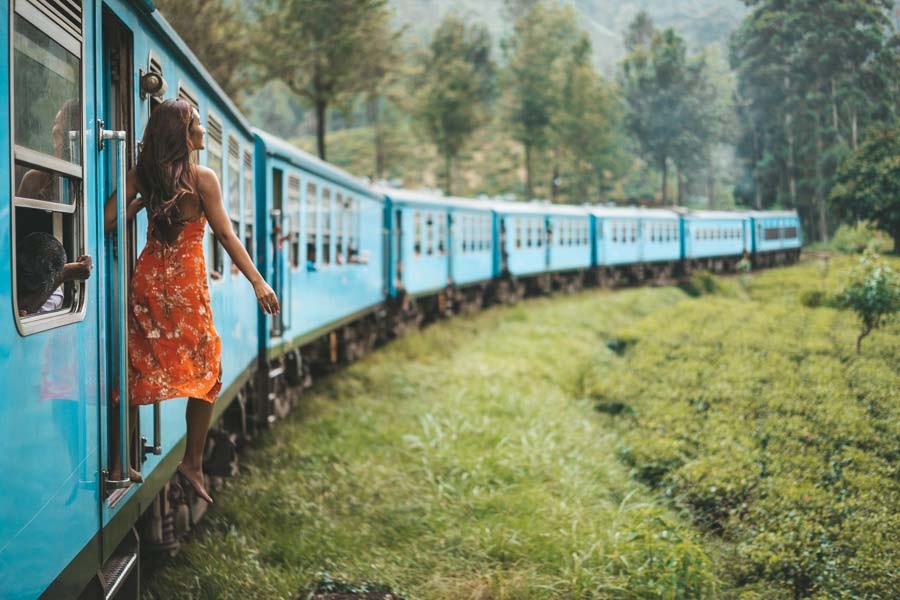

Airports have become synonymous with stress. Between the chaotic security lines, shrinking legroom, and the ever-present threat of cancellations, the journey is often treated as the heavy price we pay to reach a destination. But a quiet revolution is taking place in the world of leisure travel, driven by a collective desire to bring joy, dignity, and relaxation back to the journey itself. Across the United States and globally, travelers are increasingly trading their boarding passes for train tickets, specifically seeking out scenic railway journeys as the focal point of their holiday experiences.
This shift is not merely a wave of nostalgia for a bygone era of steam engines and conductor hats. It is a calculated, modern movement toward a more intentional and visually stunning way to explore the world. As we examine consumer travel patterns today, the resurgence of rail travel is proving that sometimes, the best way to move forward is to intentionally slow down.
The Resurgence of the Rails: By the Numbers
The data backing this behavioral shift is impossible to ignore. In the United States, Amtrak recently shattered its all-time ridership records, surpassing 37 million passenger trips in fiscal year 2026. This remarkable figure represents a 7.5% increase over the previous year, highlighting a sustained, accelerating demand for rail services across the country. While commuter corridors certainly contribute to these impressive numbers, it is the long-distance, scenic routes that are seeing some of the most remarkable surges in capacity and consumer demand.
Internationally, the story is much the same. From the snow-capped peaks of the Swiss Alps to the rugged coastlines of the Mediterranean, premium and heritage rail operators are reporting sold-out seasons. The modern traveler is no longer just looking to be transported from Point A to Point B; they are actively investing in the space between.
The Psychological Pull of the Slow Travel Movement
The growing appeal of train holidays is intimately tied to the broader “slow travel” movement. In a hyper-connected, relentlessly fast-paced world, people are using their vacation time to purposefully disconnect and reclaim their attention spans.
The Antidote to Travel Fatigue
When you fly, the landscape is reduced to an abstract, motionless quilt of greens and browns from 30,000 feet. When you drive, someone must keep their eyes glued to the road, navigating aggressive traffic, unpredictable weather, and confusing GPS directions. Train travel elegantly eliminates both of these pain points.
Once you step aboard, your responsibilities vanish. You are free to read a book, enjoy a glass of wine, or simply stare out the panoramic windows as the world rolls by. There is no white-knuckle driving, no jarring turbulence, and no middle-seat claustrophobia. The train cabin functions as a moving sanctuary, allowing the mind to decompress. Furthermore, train travel provides a crucial psychological transition space. Instead of being jarringly teleported to a new time zone and climate in a matter of hours, a train journey gives your brain the time it needs to transition from the stress of daily life into a state of deep relaxation.
Unrivaled Access to Hidden Landscapes
Perhaps the most compelling argument for a scenic train holiday is the unparalleled access it provides to the natural world. Railroads were often carved into the landscape well over a century ago, long before modern interstate highways existed. Because of this, trains traverse rugged terrain that cars simply cannot reach.
Trains snake through deep, inaccessible river canyons, hug the precipitous edges of dramatic coastal cliffs, and tunnel directly through the hearts of towering mountain ranges. Passengers are treated to a front-row seat to the kind of raw, untouched wilderness that is usually reserved for backcountry hikers. It is a cinematic, constantly unfolding experience where the scenery outside the window changes by the minute, offering a dynamic view of the country that no other mode of transportation can match.
Eco-Conscious Exploration
Sustainability is no longer a fringe concern or a secondary thought for travelers; it is now a primary driver in how people plan their holidays. As the environmental impact of commercial aviation faces intense and necessary scrutiny, trains offer a highly attractive, eco-friendly alternative for the conscious consumer.
Rail travel is inherently more energy-efficient than both flying and driving. Modern electric trains, and even the newer, highly efficient diesel-electric locomotives, produce significantly fewer carbon emissions per passenger mile than a commercial jet. For the environmentally conscious traveler, booking a scenic train journey provides profound peace of mind. It allows for expansive, cross-country exploration with a fraction of the carbon footprint, proving that premium travel and environmental stewardship can seamlessly coexist.
Iconic Routes Defining the Modern Train Holiday
The soaring popularity of this travel style is anchored by several world-renowned routes that have perfected the art of the scenic journey.
In North America, the Rocky Mountaineer has set the gold standard for luxury daylight rail travel, winding its way through the Canadian Rockies and the American Southwest. Passengers are treated to custom-built glass-dome coaches that offer unobstructed, floor-to-ceiling views of towering granite peaks and deep, winding gorges.
Amtrak’s long-distance network also boasts some of the most spectacular scenery on the continent. The legendary California Zephyr, running between Chicago and San Francisco, takes riders on a breathtaking ascent through the snow-capped peaks of the Rocky Mountains before descending into the vibrant, crimson rock formations of Utah. Meanwhile, the Coast Starlight treats riders to sweeping views of the Pacific Ocean, the Cascade Range, and lush northern forests.
In Europe, routes like the Bernina Express are engineered to tackle the sheer, seemingly impossible ascents of the Swiss Alps. These journeys feel more like architectural marvels than transportation, utilizing massive panoramic windows to frame ancient glaciers, pristine alpine lakes, and dramatic stone viaducts. These aren’t just train rides; they are bucket-list experiences that dictate the entire itinerary of a European vacation.
An Elevated Onboard Experience
The train travel renaissance is also being fueled by a massive, industry-wide upgrade in the onboard experience. Operators recognize that they are directly competing with luxury cruises and high-end boutique resorts, and they have elevated their offerings accordingly.
Dining on the Rails
The era of soggy pre-packaged sandwiches and lukewarm coffee is entirely a thing of the past. Today’s premium scenic trains prioritize culinary excellence. Dining cars have been meticulously transformed into elegant restaurants on wheels. Passengers can enjoy multi-course meals prepared with ingredients sourced from the very regions the train is passing through, all served on crisp linen tablecloths as the sun sets over the passing mountains.
The Revival of the Social Lounge
Unlike airplanes, which are designed to isolate passengers and discourage movement, trains are inherently social environments. Observation cars and lounge carriages serve as vibrant communal hubs. Travelers naturally strike up conversations over coffee or evening cocktails, sharing stories and pointing out wildlife to one another. It fosters a sense of shared adventure and community that has been entirely stripped out of the modern aviation experience.
The Future of Leisure Travel
As we look ahead to the next decade of tourism, the trajectory of scenic train travel is abundantly clear. It is not a passing fad, but a fundamental realignment in how people choose to spend their precious leisure time. The massive investments currently being poured into rail infrastructure, combined with a growing consumer appetite for sustainable, highly immersive travel, guarantee that this sector will only continue to thrive and expand.
Travelers are finally realizing that a holiday shouldn’t begin only when you arrive at the hotel lobby; it should begin the very moment you leave home. By choosing the rails, we are reclaiming the romance of the journey, discovering that the most memorable part of a trip is often the breathtaking, ever-changing landscapes witnessed along the way.

Comments are closed.