
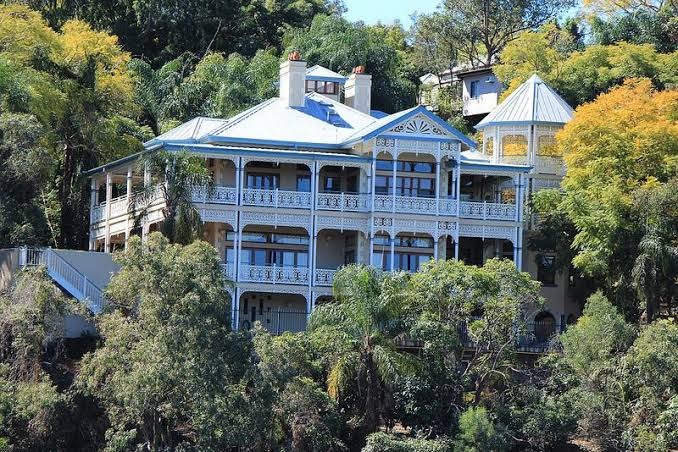

Real estate developers and investors often gravitate toward the blank canvas of a new build. It makes sense on paper: predictable timelines, standard materials, and a straightforward path from breaking ground to cutting the ribbon. Yet, a growing subset of the market is looking in the opposite direction. They are turning their attention to dilapidated warehouses, century-old banks, and forgotten industrial mills, seeing not liabilities, but unparalleled opportunities. Heritage property restoration, often executed through adaptive reuse, is reshaping urban landscapes and proving that the most lucrative real estate ventures might just involve saving the past rather than bulldozing it.
The Economics of Adaptive Reuse
Far from being a purely sentimental endeavor, restoring historic properties is rooted in robust economic strategy. The process of adapting an old structure for a new purpose—whether transforming a 1920s textile factory into luxury lofts or converting an abandoned post office into a boutique hotel—offers distinct financial advantages that ground-up developments simply cannot replicate.
Capitalizing on Existing Infrastructure
One of the most significant line items in any new development is the cost of laying foundational infrastructure. With a heritage property, the shell, the foundation, and often the utility connections are already in place. While retrofitting a century-old building to meet modern building codes requires capital, leveraging the existing structural envelope can significantly reduce the overall material costs and shorten the initial phases of construction.
The core bones of these buildings—often characterized by thick masonry walls, heavy timber beams, and steel frames—were over-engineered by modern standards. This provides a level of structural integrity that would be prohibitively expensive to build from scratch today. Developers who know how to work within these existing parameters can dramatically reduce their framing and foundational expenditures.
Tax Incentives and Financial Grants
To encourage the preservation of architectural history, local, state, and federal governments offer substantial financial incentives for heritage restoration. The Federal Historic Preservation Tax Credit program allows developers to claim a massive tax credit on qualified rehabilitation expenses for certified historic structures.
When stacked with state-level historic tax credits, conservation easements, and local property tax abatements, the capital stack for a restoration project transforms completely. These incentives serve to offset the inherent risks of dealing with older structures, often making the internal rate of return on a heritage project highly competitive with, or even superior to, new construction.
Meeting Modern Consumer Demand
The success of any real estate venture ultimately hinges on end-user demand. Today’s commercial tenants, residents, and travelers are displaying a marked preference for spaces that offer a distinct experience rather than just a simple square footage metric.
The Premium on Authenticity
We are living in an era characterized by mass production and architectural homogeneity. As a counter-reaction, consumers are placing a massive premium on authenticity and character. Exposed brick, original hardwood floors, industrial steel windows, and intricate plasterwork are features that cannot be convincingly faked or cheaply replicated.
A tech startup is often more willing to pay premium lease rates for office space in a revitalized historic armory than in a sterile, glass-curtain high-rise. Similarly, residential buyers and renters flock to properties that offer a tangible connection to the past. This built-in charm functions as a powerful marketing tool, routinely driving higher occupancy rates, increasing tenant retention, and commanding premium pricing across all asset classes.
Sustainability and the Embodied Energy Advantage
The greenest building is the one that is already built. As the real estate industry faces increasing pressure to reduce its carbon footprint, heritage restoration offers a compelling sustainability narrative. Demolishing a building and constructing a new one releases massive amounts of carbon dioxide.
By preserving an existing structure, developers capitalize on its embodied energy—the energy consumed by all of the processes associated with the production of the building, from the mining and processing of natural resources to manufacturing, transport, and product delivery. For environmentally conscious consumers and corporate tenants with strict ESG (Environmental, Social, and Governance) mandates, occupying a restored heritage property aligns perfectly with their sustainability goals, providing property owners with a distinct competitive edge in leasing.
Navigating the Complexities of Restoration
While the financial and marketing upsides are substantial, heritage restoration is not for the faint of heart. It requires a distinct skill set, a high tolerance for ambiguity, and a willingness to pivot when unforeseen challenges arise behind old drywall.
Regulatory Hurdles and Zoning Challenges
Developing a historic property means navigating a labyrinth of regulations. Historic commissions and review boards often have strict oversight regarding what can and cannot be altered. Preserving the historical integrity of a facade while simultaneously updating the building to comply with the Americans with Disabilities Act (ADA) or modern fire safety codes requires immense architectural creativity.
Developers must work collaboratively with preservationists rather than treating them as adversaries. Furthermore, zoning laws drafted decades after a building was constructed can complicate adaptive reuse. A building originally zoned for light industrial use must be successfully rezoned to accommodate residential or mixed-use retail, a process that requires savvy legal maneuvering and sustained community buy-in.
Finding Specialized Trade Professionals
You cannot hire a standard framing crew to repair 19th-century terra cotta detailing or repoint historic masonry. Heritage restoration demands highly specialized tradespeople—artisans who understand traditional building methods and materials.
Sourcing matching materials, such as specific cuts of old-growth lumber or historically accurate mortar mixes, adds another layer of complexity. The scarcity of these specialized skills and materials can lead to project delays and cost overruns if not managed by an experienced general contractor who specializes explicitly in historic preservation. Identifying and securing this talent early in the project timeline is critical to maintaining both the budget and the structural integrity of the asset.
Market Positioning and Portfolio Diversification
For institutional investors and boutique developers alike, incorporating heritage properties into a portfolio offers robust diversification. These assets tend to operate in a slightly different economic lane than conventional real estate. Because they are inherently unique—there is only one historic clocktower building in a given downtown—they are less susceptible to the supply gluts that often plague standard multifamily or office markets. Even in economic downturns, highly differentiated properties retain their value and appeal better than generic commodities.
Furthermore, heritage properties serve as anchor assets that elevate a developer’s brand identity. Successfully executing a high-profile restoration establishes a firm’s reputation for civic responsibility, design excellence, and operational competence. This goodwill often translates into an easier path to project approval for future developments, as city councils and neighborhood associations view the developer as a trusted steward of the community’s built environment.
The Ripple Effect on Local Communities
The impact of restoring a heritage property extends far beyond the property lines. These projects frequently act as catalysts for broader neighborhood revitalization. An abandoned factory is often a blight that depresses surrounding property values and discourages foot traffic. When that same factory is transformed into a vibrant mixed-use hub with a ground-floor food hall, boutique retail, and upper-level apartments, it completely alters the neighborhood’s trajectory.
This catalytic effect creates secondary real estate opportunities. Savvy investors often look for neighborhoods where a major heritage restoration is slated to begin, acquiring adjacent, underutilized parcels with the expectation that the anchor project will drive up regional demand. By breathing new life into forgotten structures, developers are not just creating profitable assets; they are mending the urban fabric, increasing public safety through activated streetscapes, and preserving the unique cultural identity of the city.
The real estate landscape is continually evolving, but the enduring appeal of history remains a constant. Heritage property restoration demands vision, patience, and a deep respect for craftsmanship. For those willing to navigate the unique challenges of peeling back decades of neglect, the rewards are multifaceted. They are securing highly resilient financial assets, answering the modern consumer’s demand for authenticity and sustainability, and playing a vital role in the architectural legacy of their communities. Ultimately, the most forward-thinking real estate strategies aren’t just about looking ahead; they involve looking back, recognizing the intrinsic value of what has already been built, and giving it a profound new purpose.

Comments are closed.